Device Overview
Truvami offers a range of LoRaWAN tracking devices designed for different use cases. Each device has detailed documentation covering setup, payload formats, and configuration.
Tag S
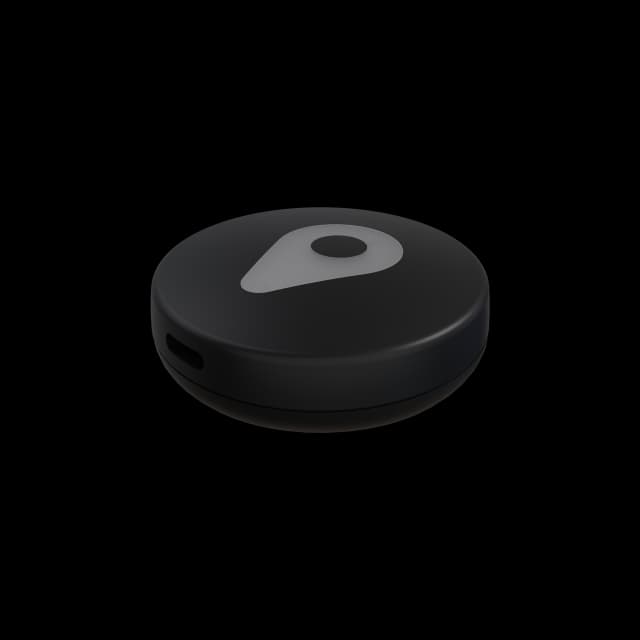
Compact asset tracker with GPS, WiFi, and BLE positioning. Perfect for small valuable assets.
View documentation →
Tag L
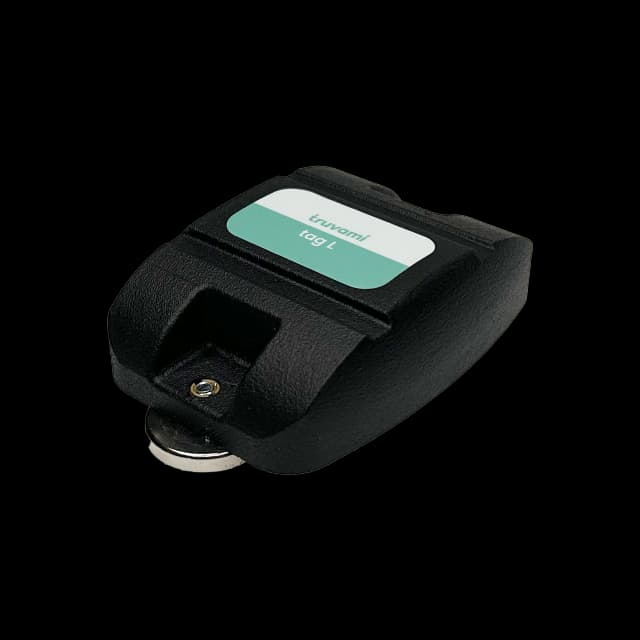
Rugged, rechargeable asset tracker with GPS, WiFi, and BLE positioning. Perfect for vehicles and valuable assets.
View documentation →
Tag XL
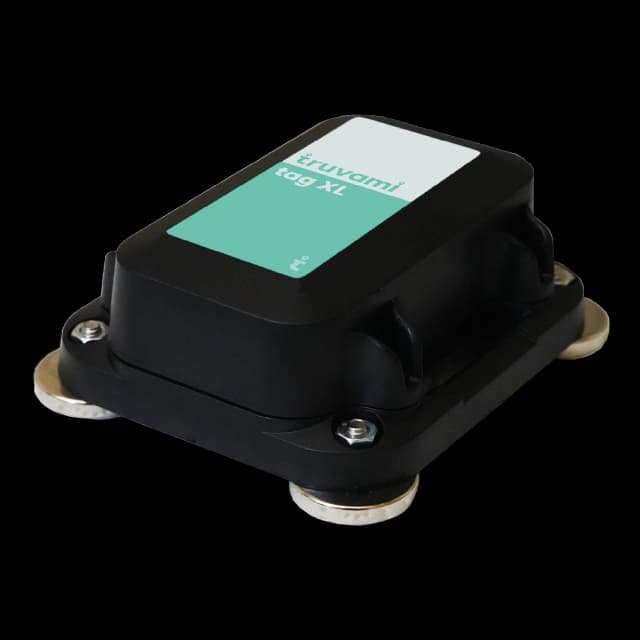
Rugged outdoor tracker with extended battery life. Ideal for containers and heavy equipment.
View documentation →
Smart Label (v1)
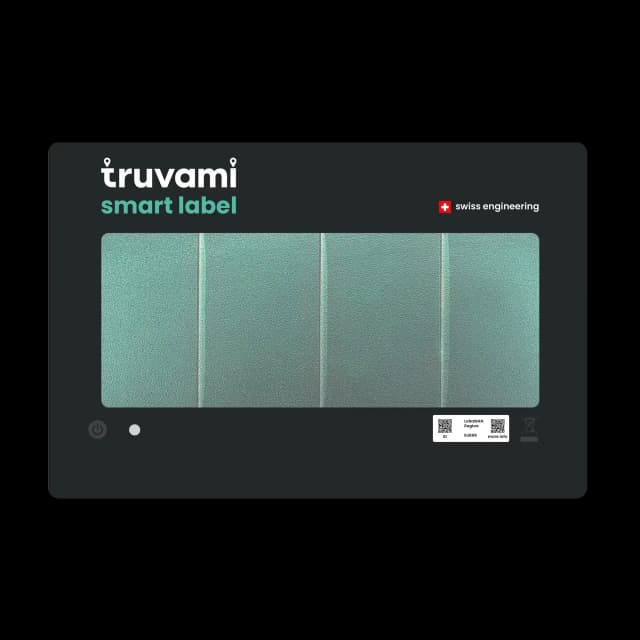
Ultra-thin tracker powered by ambient light. Perfect for reusable logistics and manufacturing processes.
View documentation →
Nomad XS
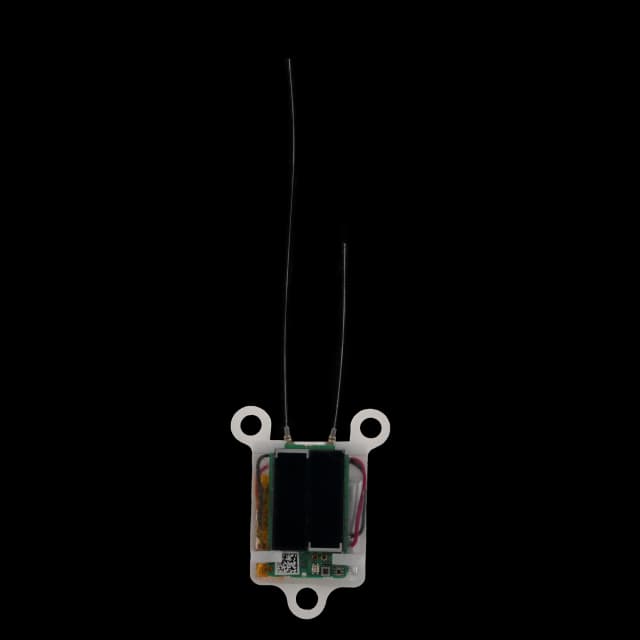
Ultra-compact tracker for personal items and lightweight assets. Discreet and powerful.
View documentation →
Device Protocols & Firmware
Complete documentation for LoRaWAN payload structures, field definitions, and firmware specifications across all Truvami device families.
Firmware Versions
Truvami devices run on two main firmware branches, each optimized for different hardware architectures and communication patterns.
Protocol Architecture
All Truvami devices communicate over LoRaWAN using carefully designed payload structures that balance data richness with transmission efficiency.
Core Design Principles
Power Efficiency
Binary packed formats minimize airtime and reduce power consumption for extended battery life in field deployments.
Type Safety
Strongly typed field definitions with precise unit scaling ensure data integrity and enable automatic validation.
Extensibility
Port-based payload routing and versioned schemas allow for backward compatibility and future protocol evolution.
Payload Structure Overview
Every payload follows a consistent structure designed for optimal LoRaWAN transmission:
- Port Number: Identifies the payload type and expected data structure (1-255)
- Binary Data: Tightly packed fields following XML schema definitions
- Field Types: Support for integers, floats, booleans, and variable-length arrays
- Unit Scaling: Automatic precision scaling (micro, milli, centi, deci, etc.)
- Bit Fields: Efficient packing of boolean flags and enumerated values
Development Resources
Field Reference
Complete reference for data types, unit scaling, bit field definitions, and encoding formats used across all firmware versions.
View Reference →
Protocol Repository
Source XML schema definitions, validation rules, and documentation generation tools used to create this reference.
Visit GitHub →
Protocol documentation is automatically generated and validated from XML schema definitions in the truvami/protocol repository. Last updated: October 2025